Climate Change Impacts
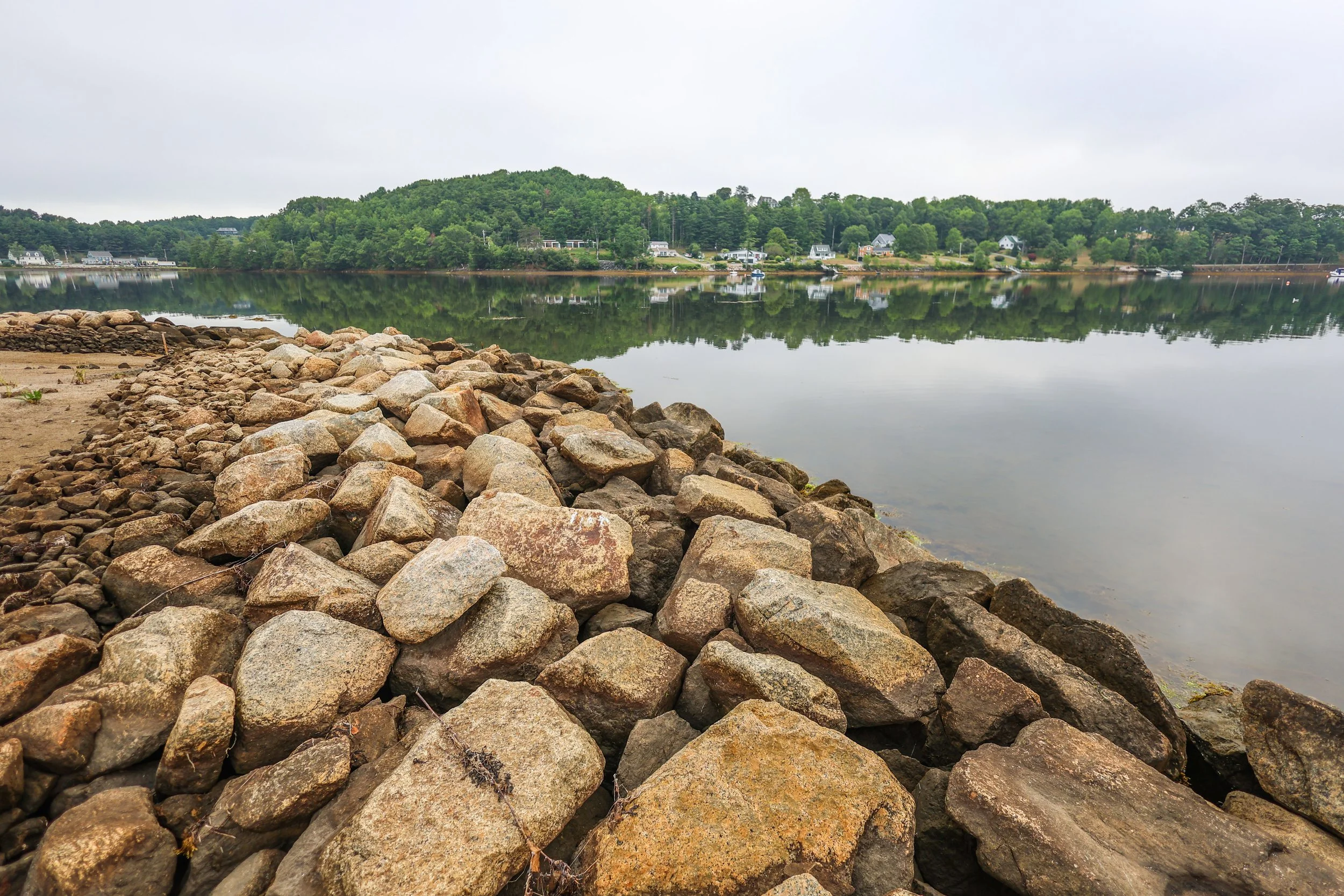
TransCoastal Adaptations: Centre for Nature-Based Solutions at Saint Mary’s University has been working with Coastal Action to collect data on the Mahone Bay Living Shoreline demonstration site. They have been collecting data on climate change impacts at the site and monitoring its progress since 2021.
Now that the Mahone Bay Living Shoreline is expanding, TCA’s research will continue along the entirely expanded Mahone Bay Living Shoreline site.
Over the course of the next 3 years, TCA will continue to test the applicability and success of natural infrastructure techniques in buffering climate change impacts under variable winter conditions, as well as develop and implement a vegetation monitoring protocol for the project site.
Monitoring Summary Reports
You can read about TCA’s initial research findings in the Monitoring Summary Reports below!
Open the most recent 2025 Mahone Bay Living Shoreline Monitoring Summary using the link, or click on any of the following reports to preview it.
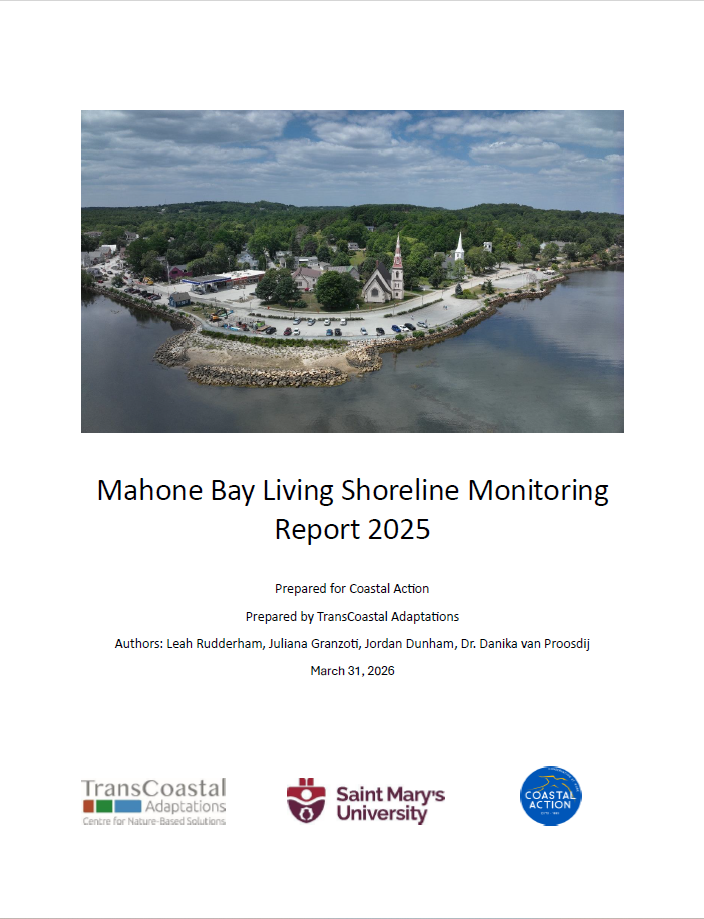
2025
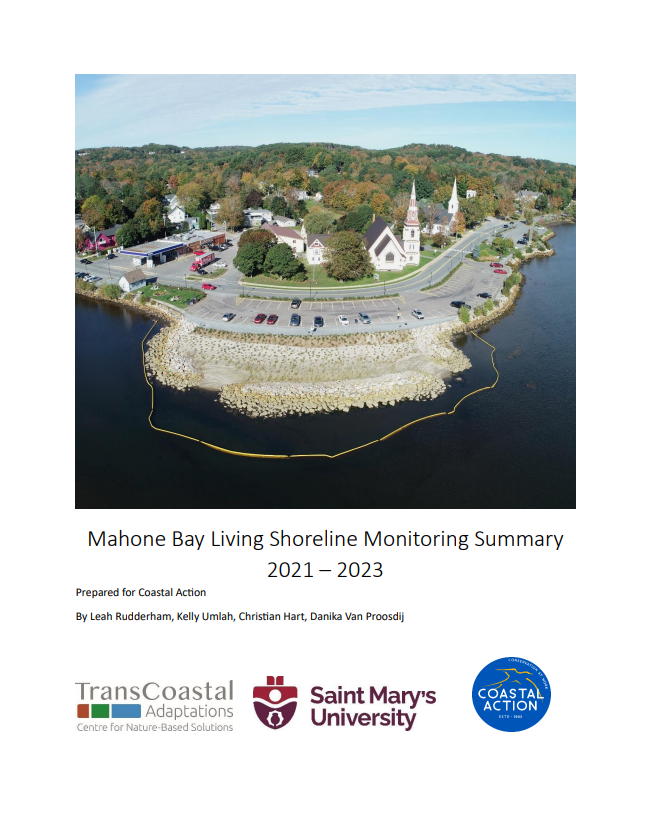
2021-2023
The Living Shoreline as a Living Lab
TransCoastal Adaptations: Centre for Nature-Based Solutions at Saint Mary’s University helps to fund candidates in the Master of Science (M.Sc.) programs. As of January 2026, there have been three students working with TCA to conduct research at the Mahone Bay Living Shoreline site.
Juliana Fernandes Granzoti
Juliana’s research, supervised by Dr. Danika van Proosdij, focuses on evaluating the effectiveness of living shorelines with marsh sills as a nature-based infrastructure (NBI) approach to enhance shoreline stability, ecological performance, and adaptive capacity in cold-climate coastal environments.
Over the summer, Juliana’s work centered on assessing key performance indicators through a range of field activities, such as:
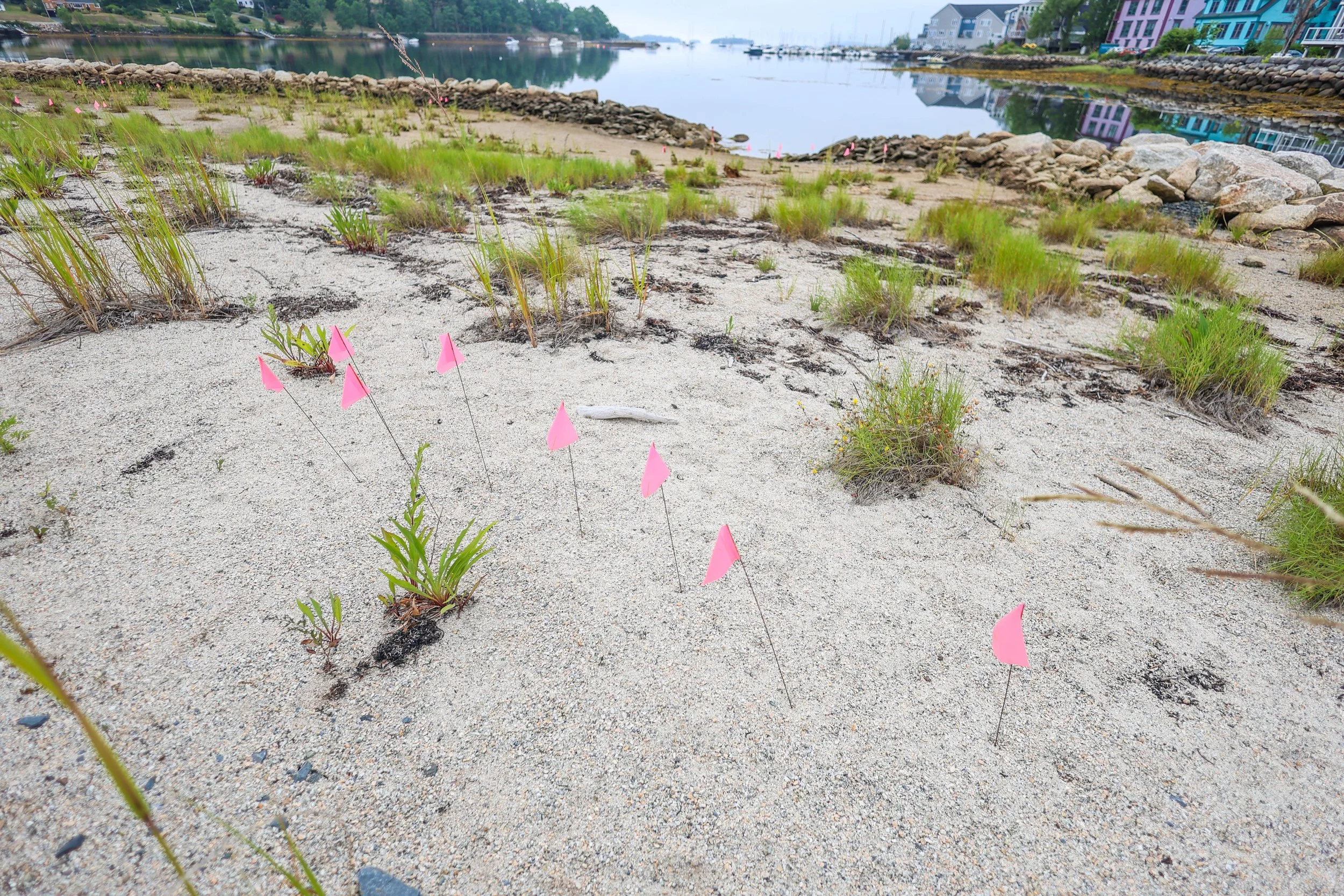
Establishing permanent 2 x 2m vegetation monitoring plots;
Conducting plant density, percent cover, and vegetation health index surveys;
Collecting topographic elevation profiles;
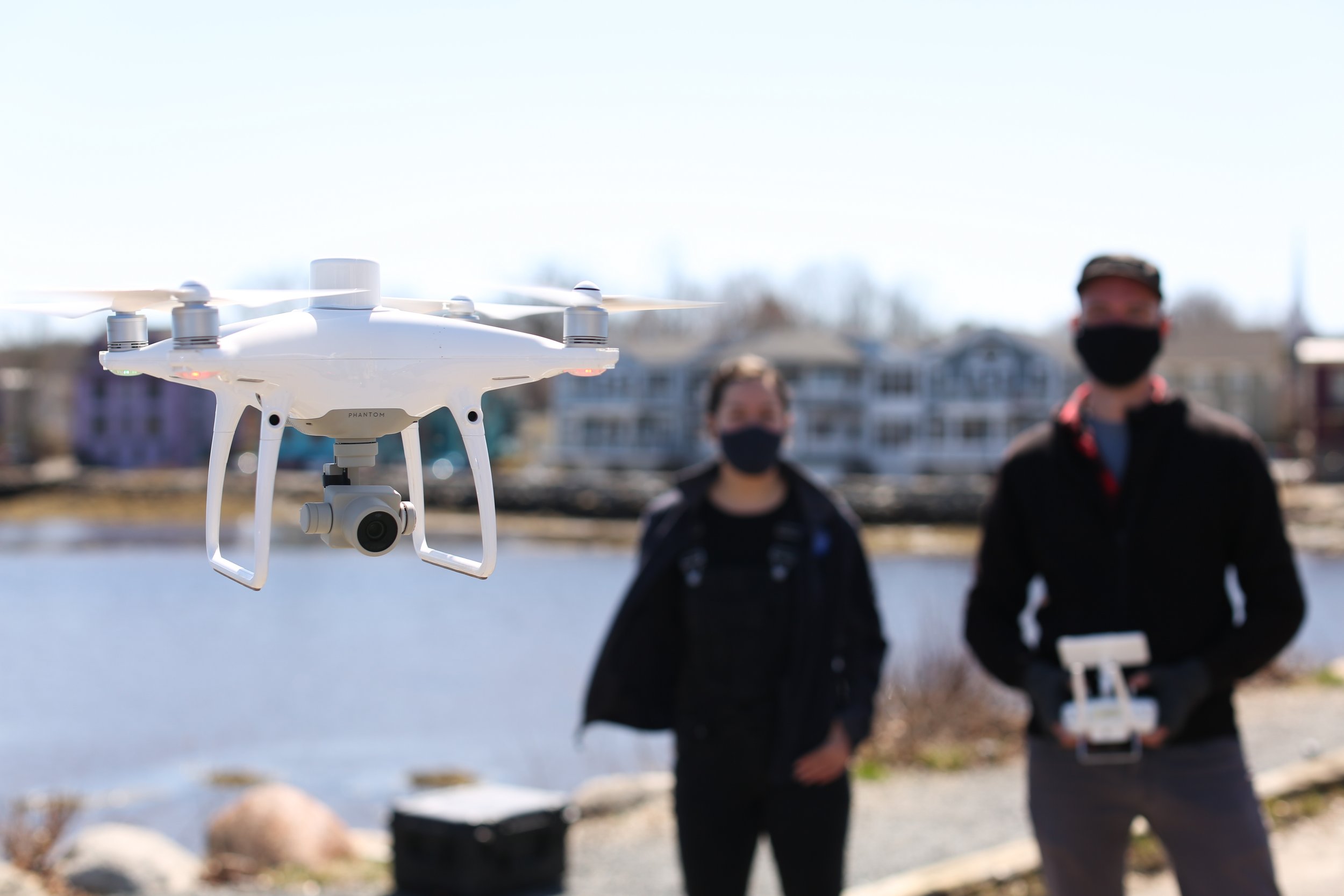
Capturing aerial imagery for spatial analysis.
Collecting soil samples for grain-size and nutrient analysis;
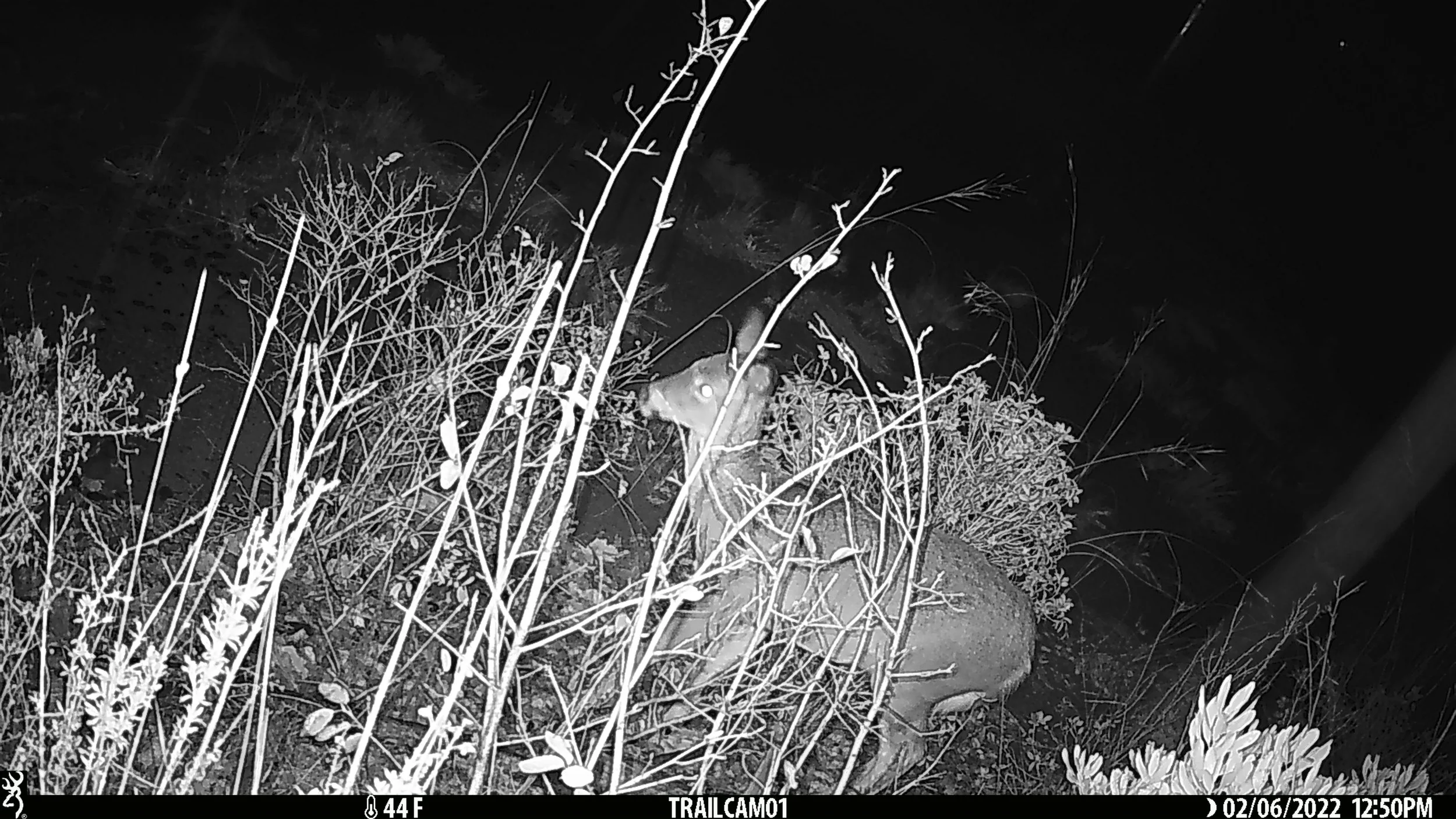
Documenting wildlife usage of the living shoreline using a wildlife camera.
Juliana’s experimental treatments - native annual halophyte seed additions and organic seaweed fertilizer - were also tested to determine their potential to enhance plant biodiversity, productivity, and early marsh development within the constructed living shoreline.
Allison MacNeil
Under the supervision of Dr. Danika Van Proosdij and Dr. Jeremy Lundholm, Allison’s research focuses on Iva frutescens (commonly known as Marsh Alder, a native salt marsh shrub), and its potential to increase coastal resilience by providing year-round erosion control.
In her research, a planting experiment was conducted on the Mahone Bay living shoreline pilot project site to assess different planting methods for Iva frutescens. Preliminary findings show that Iva frutescens did extremely well on the shoreline and that areas where this species was planted showed increased sediment accumulation. These findings suggest that Iva frutescens could be a key species to help increase the resilience of the Mahone Bay living shoreline. Continued planting of this species along the extension is strongly recommended.
Christopher Mea
Supervised by Dr. Danika Van Proosdij, Christopher’s MSc research focuses on evaluating the integrity and stability of structural elements on living shorelines. At the Mahone Bay Living Shoreline, this includes the armour stone, the cobbles, and the coir logs. Additionally, he will be measuring the accretion and erosion of sediment around the rock sill.
Using data from aerial surveys at the project site, Christopher is tracking movement in the larger armour stone and measuring changes in elevation in the sand. High-resolution flight data and photogrammetry techniques will allow repeat surveys to be compared directly through their digital surface models while allowing centimetre-accurate tracking of epoxy-painted target circles on the large rocks.
With additional data collected from a wave buoy, loggers and qualitative data obtained from aerial and ground surveys, the movement of structural elements in relation to the actions of waves (in the presence or absence of ice) will be analyzed. The integrity of coir logs will be determined qualitatively from a grid of performance criteria. Altogether, this research aims to improve a lack of data on performance of living shorelines in winter.